Featured
Table of Contents
If you're grieving, remember this: your grief mirrors the deepness of your connection. It's not something to "overcome" yet rather to relocate through, bring your love and memories forward into a life that, while forever transformed, can still hold meaning and pleasure.
Pain is an all-natural psychological reaction to loss. Grieving is a procedure that can help you involve terms with a loss, such as when a liked one passes away. Everyone experiences despair in a different way. Your experience of pain and how you handle it will depend upon different factors. These may include your age, previous experiences with grief and your spiritual or spiritual views.
Awaiting grief means sensation depressing prior to the loss takes place. Instead of grieving for the person, who is still with you, you might feel pain for the important things you won't reach do with each other in the future. When facing a significant loss, such as the death of a loved one, it is natural to feel numerous strong emotions.
Individuals diagnosed with an incurable disease and those dealing with the death of a loved one might experience anticipatory despair., you may experience lots of emotions consisting of shock, anxiety and despair.
Inner Kindness for High-Achievers
You grieve lost opportunities or experiences you'll miss also small ones, such as the satisfaction of the sunshine or a warm cup of coffee. If somebody you like is encountering a terminal disease, it is common to experience anticipatory pain in the months, weeks and days prior to death. You may grieve the exact same points your liked one is mourning, or different losses entirely.
You might really feel awaiting grief If your liked one is perplexed or unconscious for a very long time (e.g. with delirium or dementia). You might really feel that the person you recognized is already gone, also if they are still physically there. If your enjoyed one has a decline in physical wellness or movement, you might feel anticipatory sorrow as you lose the opportunity to share experiences, such as hobbies, vacations or occasions.

This is especially true if you invest a lot of time taking care of the person. You might miss tasks you made use of to appreciate together and really feel despair regarding the adjustment in your partnership. The nature of your connection may change as you tackle a carer's role, or come to be the one being looked after.
Feelings of despair prior to fatality are normal it's important to acknowledge them, and to chat regarding them. Experiencing anticipatory despair doesn't necessarily suggest that you will grieve your enjoyed one any type of much less after they are gone. Carers of people who are terminally ill may become better to their loved one, making their sensations of despair after death much more extreme.
Embodying: Moving from Dissociation to Embodied Presence Through IFS
Lifeline supplies assistance for people experiencing emotional distress. Past Blue provides information and support for individuals experiencing mental wellness troubles including pain. Griefline Call 1300 845 745 for support offered to grownups matured 18 years and over. Mensline provides telephone and online therapy and assistance to males in Australia. Cancer cells Council provides info and assistance to people with cancer and their liked ones.
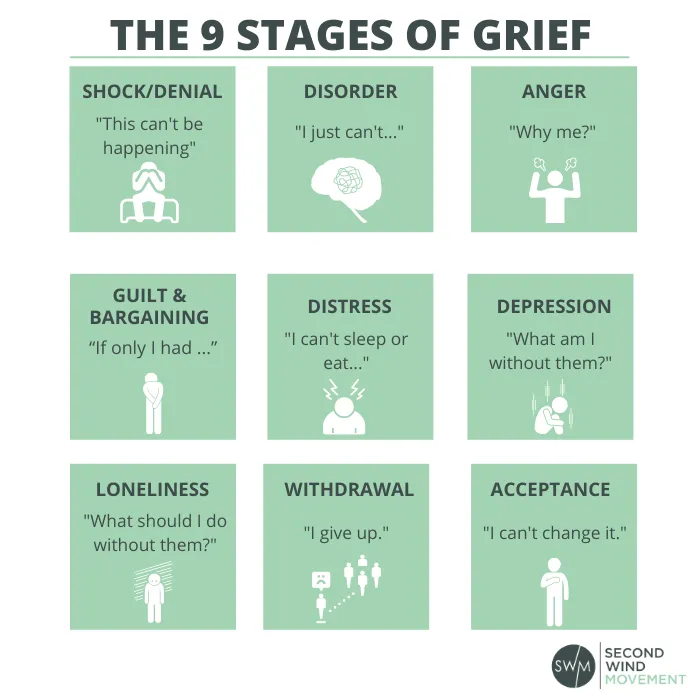
Check out the CareSearch website for web links to palliative care and end-of-life information in a series of neighborhood languages. Call Carer Portal on 1800 422 737 for sources to support for Indigenous and/or Torres Strait Islander carers and neighborhoods. CareSearch supplies info on understanding bereavement, end of life and palliative care needs of the LGBTIQA+ neighborhood. Individuals discuss the five phases of despair as: rejection anger bargaining clinical depression approval. Actually, we do not experience sensations of sorrow individually or in a specific order. We recognize that there are no arrange that every person undergoes. You may experience these points because they are all typical sensations of grief.
It's normal to really feel other things as well, such as shock, stress and anxiety, fatigue, or sense of guilt. Some people really feel numb after the death of a person they respected. They may even attempt to continue as though absolutely nothing has occurred. If you experience this, it could be because it's simply too hard to believe that the individual you know so well is not returning.
Secondary Trauma in Complex PTSD Practice
Possibly they assure themselves that they will certainly now constantly do (or not do) something, believing that it can make the person who has passed away come back. People might likewise discover that they keep going back over the past and ask lots of 'what if' questions, wanting that they could go back and transform points so that they might have turned out differently.
These sensations can be very intense and painful, and they may reoccur over several months or years. Many people find that excruciating feelings like this become much less solid over time. If you do not feel this holds true for you, then you ought to request for aid.
Her design became extensively accepted as a way to understand sorrow, but over time, grief counsellors and researchers broadened upon it, causing the development of the. This extended design includes added emotional reactions that individuals may experience: The initial reaction to loss often brings shock and disbelief. This phase serves as a protective system, permitting us to soak up the fact of our loss in convenient doses.
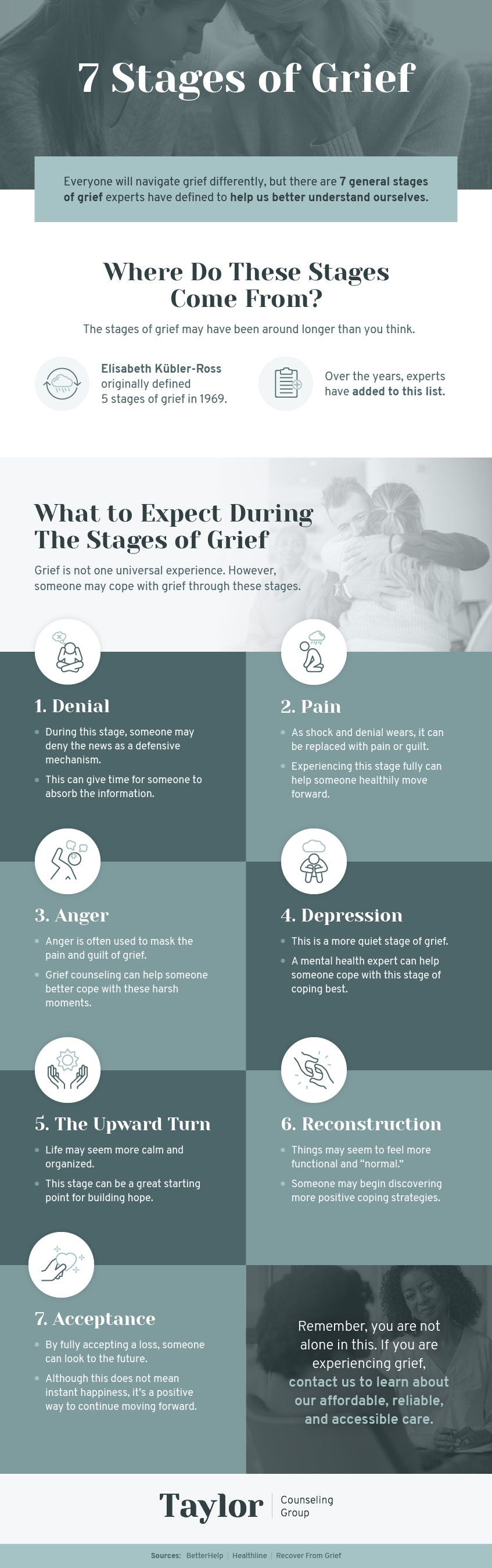
Feelings of regret or regret may arisewondering if you could have done something differently, or sensation grief over things left unexpressed. Despair can show up as angertoward yourself, others, or even the individual that has actually passed.

Latest Posts
IFS Therapy: Discovering Your Sub-Personalities
Embodying: Healing Fragmentation to Integration Through Narrative Therapy
Which Clients Sees Success from EMDR & ART Treatment