Featured
Table of Contents
If you're grieving, remember this: your sorrow shows the depth of your link. It's not something to "overcome" yet rather to relocate through, carrying your love and memories onward into a life that, while for life changed, can still hold definition and happiness.
Grief is a natural emotional response to loss. Grieving is a process that can aid you involve terms with a loss, such as when a liked one passes away. Everybody experiences sorrow differently. Your experience of grief and exactly how you handle it will depend on various variables. These might include your age, previous experiences with grief and your spiritual or spiritual views.
Awaiting pain suggests feeling unfortunate prior to the loss takes place. Instead of grieving for the individual, that is still with you, you may really feel sorrow for the points you will not reach do together in the future. When dealing with a substantial loss, such as the death of a liked one, it is all-natural to really feel many strong feelings.
This doesn't imply you have given up on the individual or that you uncommitted for them. Individuals diagnosed with an incurable ailment and those dealing with the fatality of a loved one might experience awaiting pain. If you have actually been diagnosed with a terminal health problem, you may experience lots of emotions consisting of shock, fear and despair.
Professional Depression Behind the Appearance of Achievement
You regret shed opportunities or experiences you'll miss out on also little ones, such as the pleasure of the sunlight or a warm cup of coffee. If a person you enjoy is dealing with a terminal health problem, it prevails to experience awaiting grief in the months, weeks and days prior to fatality. You could regret the very same points your liked one is mourning, or various losses altogether.
You may really feel that the person you knew is currently gone, even if they are still literally there. If your loved one has a decrease in physical wellness or mobility, you may really feel awaiting sorrow as you shed the possibility to share experiences, such as leisure activities, vacations or events.
This is particularly true if you spend a great deal of time caring for the person. You might miss out on tasks you utilized to enjoy together and really feel grief concerning the change in your connection. The nature of your relationship might change as you tackle a carer's role, or come to be the one being cared for.
Feelings of grief prior to death are normal it is essential to acknowledge them, and to speak about them. Experiencing awaiting pain doesn't necessarily suggest that you will certainly grieve your liked one any type of less after they are gone. Carers of people who are terminally ill may come to be more detailed to their enjoyed one, making their feelings of sorrow after death much more extreme.
The Parts That Motivate Perfectionism
Lifeline provides support for individuals experiencing emotional distress. Past Blue provides details and support for individuals experiencing psychological health problems including despair. Griefline Call 1300 845 745 for assistance available to adults aged 18 years and over. Mensline supplies telephone and online coaching and assistance to guys in Australia. Cancer Council offers information and support to people with cancer cells and their loved ones.

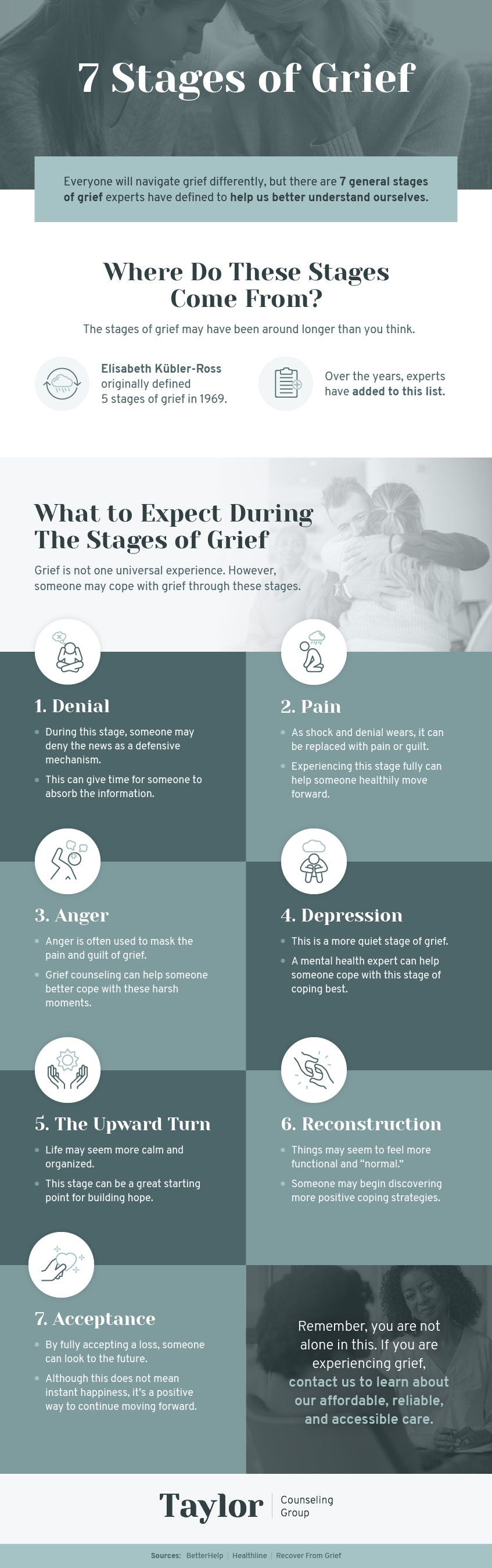
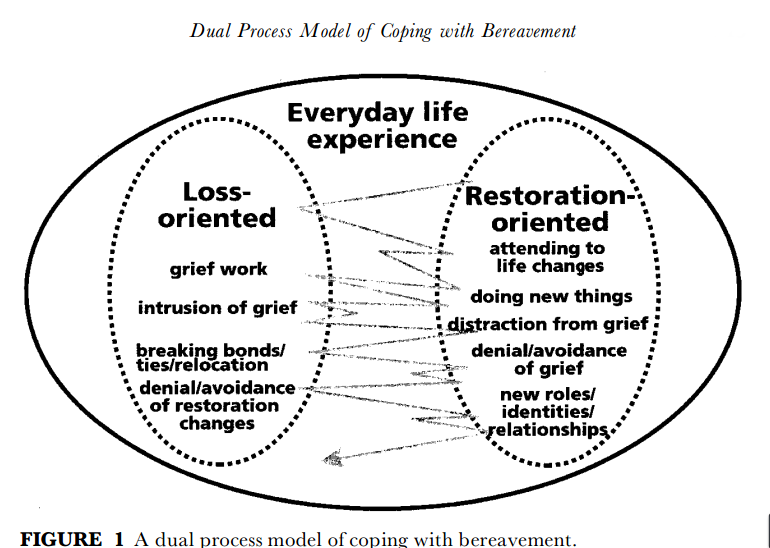
Go to the CareSearch internet site for web links to palliative care and end-of-life information in a series of area languages. Call Carer Portal on 1800 422 737 for resources to sustain for Indigenous and/or Torres Strait Islander carers and areas. CareSearch provides info on recognizing bereavement, end of life and palliative treatment demands of the LGBTIQA+ area. People speak about the five phases of pain as: denial anger bargaining depression approval. Actually, we do not experience feelings of grief one at a time or in a certain order. We understand that there are no arrange that everybody undergoes. You might experience these points since they are all regular feelings of sorrow.
Some individuals really feel numb after the death of an individual they cared around. If you experience this, it can be due to the fact that it's just as well tough to believe that the person you know so well is not coming back.
Why Secure Attachment Enables Authentic Leadership
Maybe they promise themselves that they will certainly now constantly do (or not do) something, believing that it could make the person who has died come back. Individuals might likewise locate that they keep going back over the past and ask lots of 'what if' concerns, wanting that they can go back and change things so that they could have transformed out differently.
These sensations can be really extreme and excruciating, and they may come and go over several months or years. Yet most individuals find that uncomfortable feelings like this ended up being much less strong with time. If you do not feel this holds true for you, then you must request for help.
Her design became widely accepted as a method to comprehend pain, yet gradually, grief counsellors and scientists broadened upon it, leading to the development of the. This extensive model incorporates additional emotional reactions that people might experience: The preliminary response to loss frequently brings shock and disbelief. This phase functions as a safety system, enabling us to absorb the fact of our loss in convenient dosages.
As the shock discolors, deep psychological discomfort embed in. Sensations of remorse or sense of guilt may arisewondering if you could have done something in a different way, or feeling sadness over things left unspoken. It's important to acknowledge these sensations as opposed to suppress them. Grief can show up as angertoward yourself, others, and even the individual who has actually passed.

Latest Posts
IFS Therapy: Discovering Your Sub-Personalities
Embodying: Healing Fragmentation to Integration Through Narrative Therapy
Which Clients Sees Success from EMDR & ART Treatment